 BBC
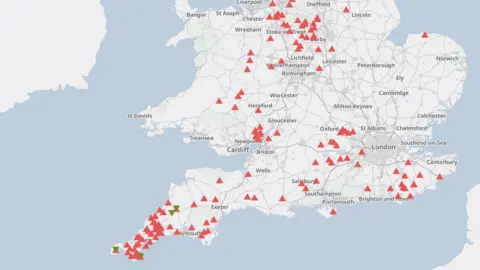
BBCNew national figures show Cornwall has the highest number of cases of bluetongue, a disease that affects livestock.
The Animal Plant and Health Agency (APHA) has reported a total number of 154 bluetongue cases in Britain since July 2025 with 50 premises in Cornwall having confirmed cases, up from one case in 2024 and none in 2023.
The virus is transmitted by midges and, while it presents no threat to food safety or human health, it can make animals including sheep and cattle extremely unwell and sometimes die.
Cornwall National Farmers’ Union deputy chair Stephen Dark said he believed vaccinating against the disease was “a relatively cheap insurance policy”.

 APHA
APHAAPHA veterinary head of outbreak delivery Sascha Van Helvoort said humidity, high temperatures, wind speed and livestock density were all factors in the spread of bluetongue.
She said: “Once a midge is infected, only one bite is needed and that can actually kill a sheep, which is really worrying.”
The notifiable disease affects cattle, sheep, and goats, and can also affect bison, buffalo, alpacas, llamas and deer.
Ms Van Helvoort said symptoms of bluetongue were varied and included fever, swollen heads, crusty noses and mouths, fatigue and lameness.
She urged farmers to talk to their vet about vaccination: “The only way we can prevent this disease is by vaccinating.
“We have very good vaccines available and we really hope people will be using them because that will change how things move forward.”
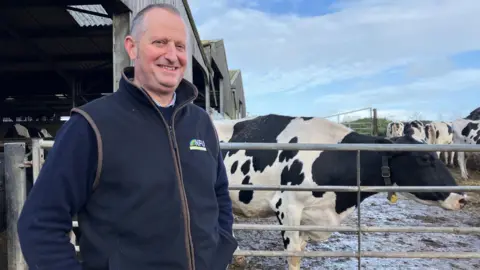
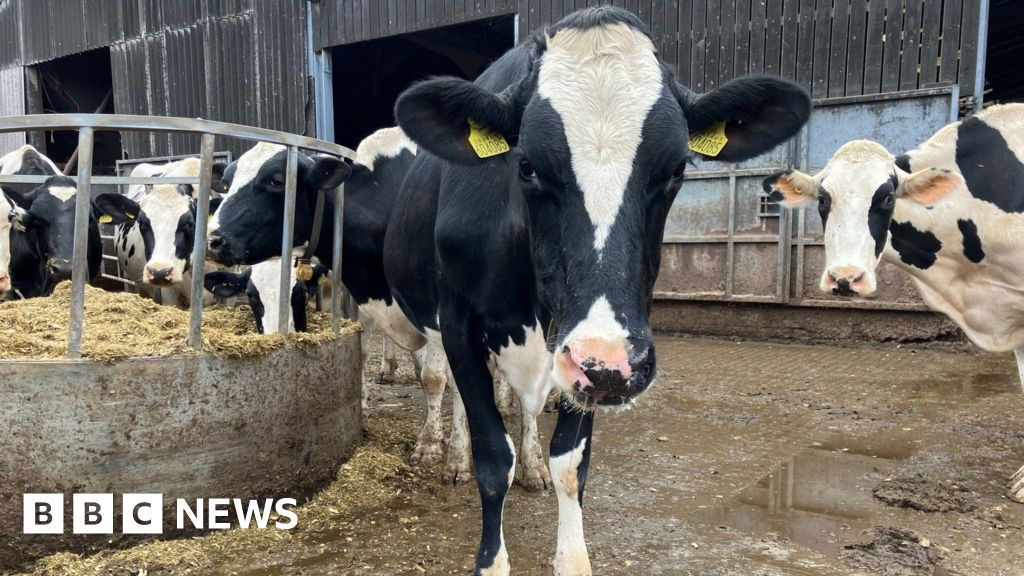
Mr Dark vaccinated his 220 Holsteins and small beef suckler herd in Mullion during June and July after considering the number of confirmed cases in Cornwall and the increasing risk of the virus spreading.
He said he had been concerned about bluetongue in Europe last year where dairy farmers had experienced problems with animal health, milk yield loss, fertility, abortions and the impact the virus had on productivity.
He said: “The vaccine we used cost us in the region of £5 a head for the two doses.
“So when we were considering it, we felt that the total cost of in the region of about £2,500 to £3,000 was the equivalent of losing one very good cow, so we felt it was a cost-effective thing to do.”
“We felt by vaccinating we were doing the right thing to help protect the cows’ health and well-being, as well as our productivity,” he added.