
Don’t just read Exeter Observer Upgrade to paid
With our pick of upcoming local community and culture highlights and a recap of the top stories from our previous edition.
Exeter Observer is a new kind of news organisation. Independent, accountable and community-owned with a non-profit model that serves the public sphere.
Lots of our readers think Exeter needs the kind of local news we provide so they’re backing us, not just with warm words but by chipping in.
Every penny we receive is spent on producing and publishing news, features and investigations and supporting our city’s cultural and community life.
But it’s not enough to keep us publishing. We need more people to contribute to our running costs so we can break even.
138 of the 300 paying subscribers we need have signed up to support our work from less than £2/week.
Don’t just read Exeter Observer. Join them today.
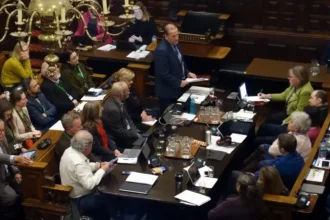
Five-day hospital doctors strike follows failed talks on pay and training provision
British Medical Association calls thirteenth round of industrial action in ongoing dispute with the government.
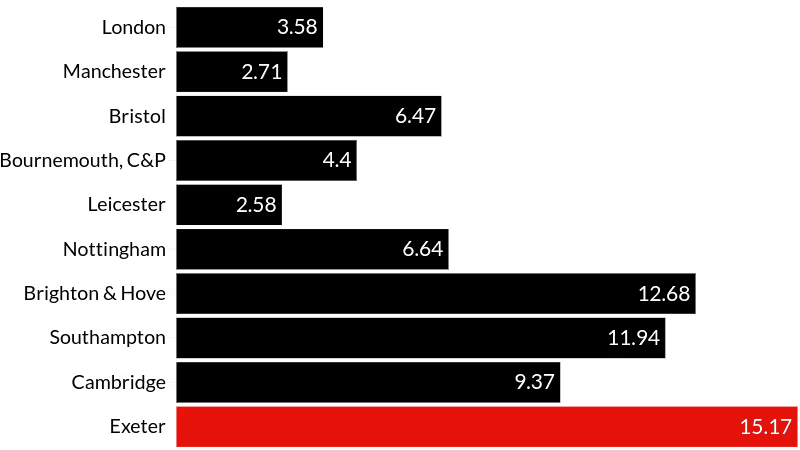
Exeter homeless death rate highest among English cities featured in annual Museum of Homelessness campaign charity report
21 people died while homeless in Exeter in 2024, nearly three times as many as previous year, but council says nothing despite report publication during city homeless awareness week.
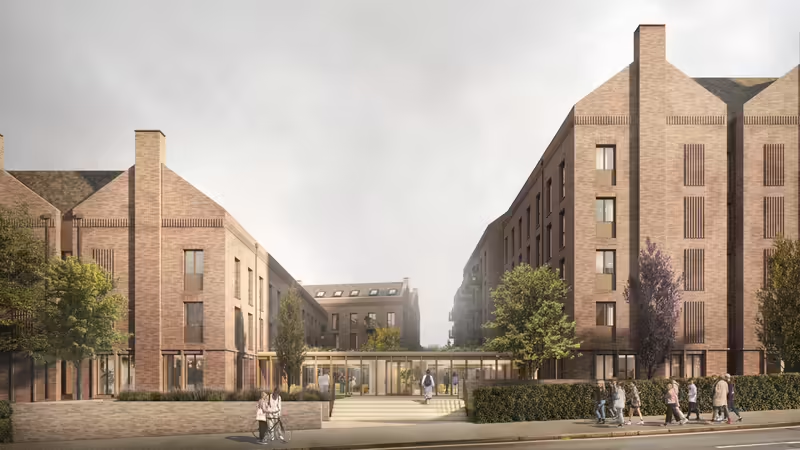
Heavitree Road police station student accommodation and “co-living” scheme consultation extended
Developers revise application for full planning permission for 813-bed seven-block complex submitted in May as similar proposals proliferate across city centre.

Unique retro games arcade to create new Sidwell Street venue after long search
Boneyard arcade seeking permission to change use of empty Brighthouse retail unit after making way for “co-living” block at previous Red Lion Lane location.
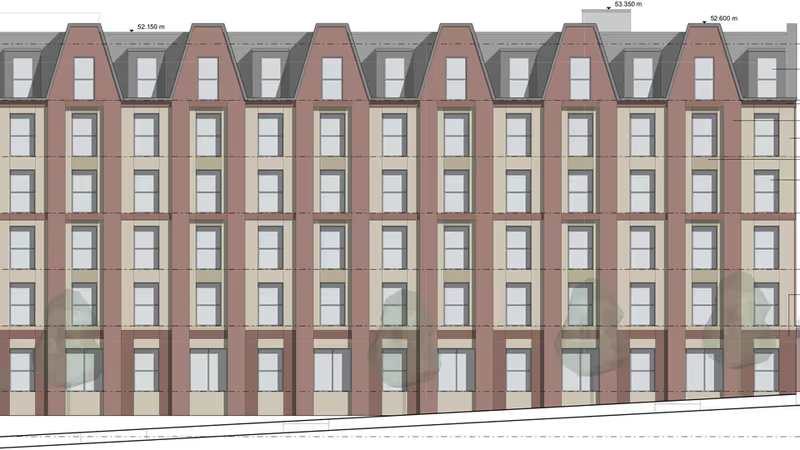
Mary Arches “co-living” developer resists “miniscule” room size criticisms as design revisions prompt further consultation
Changes include increased building footprints and removal of twelve rooms to provide eleven communal kitchens – between residents of 297 studios – while gates obstruct pedestrian thoroughfare and site’s historic setting and significance essentially ignored.
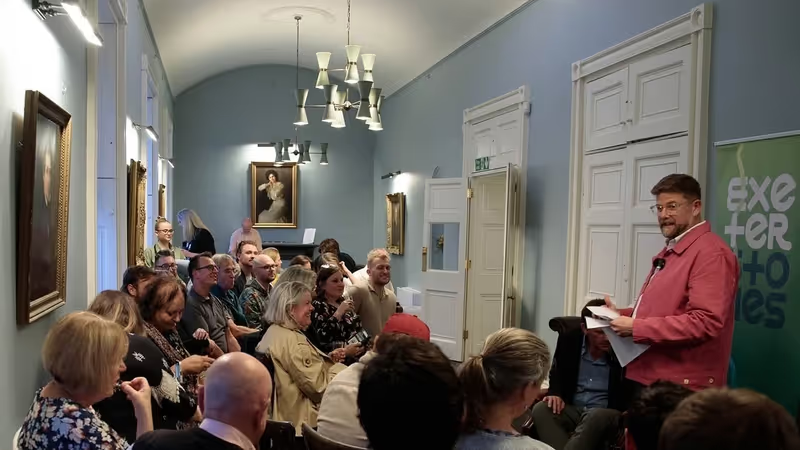
EVERY OTHER WEDNESDAY
Exeter Stories
In-depth audio interviews with individuals from organisations and initiatives across the city.
PODCAST

SATURDAY 15 NOVEMBER 2025
Sacred and Profane
Medieval music with Steve Tyler, Marco Cannavò and Katy Marchant.
ST NICHOLAS PRIORY