

Anna VarleHome and social affairs correspondent
 BBC
BBCPolice and Crime Commissioner (PCC) Alison Hernandez is asking residents across Devon, Cornwall and the Isles of Scilly how they want their police force to be led and held to account in the future.
It follows the announcement that police and crime commissioners (PCC) are to be scrapped in England and Wales to save £100m over this parliament’s term.
Under the current system, introduced 12 years ago to improve police accountability, there are 37 elected commissioners.
Ms Hernandez said: “I am asking, in light of the news my role is to be axed from 2028, whether residents want their police force to be scrutinised by an elected mayor for Devon and Cornwall.”


Ms Hernandez said other options included scrutiny by a policing board made up of council leaders or retaining the role of police and crime commissioner.
“With significant national reforms on the horizon, including the upcoming police reform white paper, it is more important than ever that local people have a strong voice in shaping the future of policing,” Ms Hernandez said.
“I am also interested to know whether people would prefer a national or south west police force instead of a locally-led Devon and Cornwall Police.”
Home Secretary Shabana Mahmood is said to be considering reforms which could see the number of forces in England and Wales reduced from the existing 43 mainly county-based forces to a smaller number of regional ones.
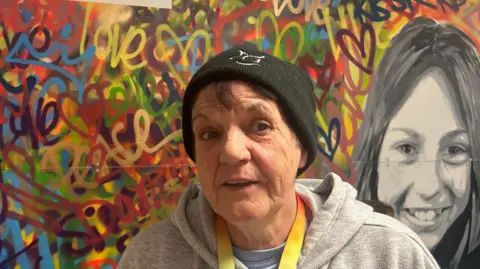
As part of the Your Safety, Your Say survey, the PCC’s team said it visited community centres to ask people what they wanted from policing in the future.
At the Space in Bodmin, Cornwall, a hub which provides dance and creative activities for children, young people and families, parents told the BBC they wanted more police visibility on the streets.
Nicky Deakin said: “I think twice about going out at night, whereas before, you wouldn’t even think will I get injured tonight or what is that person carrying?”
Alicia Puckey said she wanted the police to get involved with children at an earlier age.
“Early intervention is key in their early stages of life,” she said. “It shows them the difference between right and wrong so they don’t cause any harm to anybody and they are not scared to come forward if they know someone, for instance, is carrying a knife.”