John Wimperis,Local Democracy Reporting Serviceand
Ana da Silva,BBC News, West of England
 John Wimperis
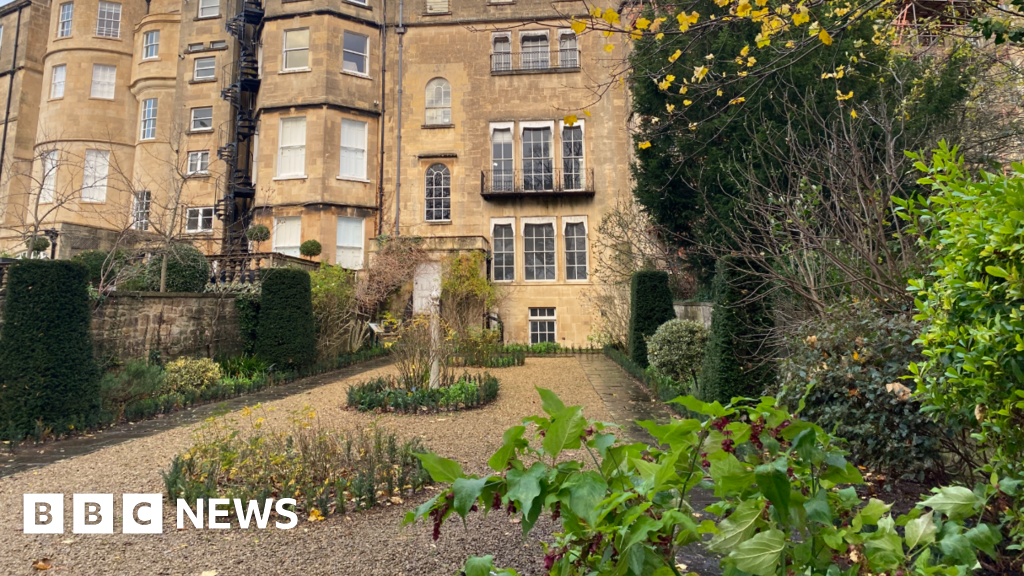
There are fears an “important” 18 Century garden and Grade I listed building could be lost if new trustees are not found.
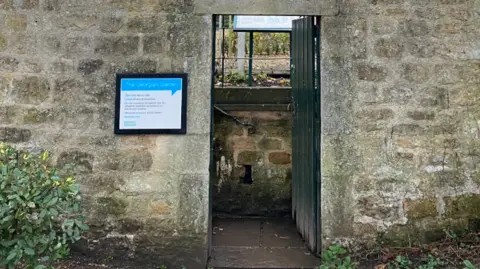
Bath and North East Somerset Council is working to appoint trustees for Georgian Garden, situated at the back of Bath’s Number 4 the Circus.
The townhouse and garden are owned by a charitable trust, but the trust is effectively defunct, and the council aims to officially dissolve it, leading to uncertainty over the site’s future.
Councillor Oli Henman said: “I think all of us agree that it’s an important heritage asset in the city. We absolutely want to see it thriving and restored to its true historic purpose.”
Avon and Gloucestershire Gardens Trust’s leaders, who campaign to save historic gardens, said they have been “very concerned” about the garden, which in recent years has started to look dilapidated.
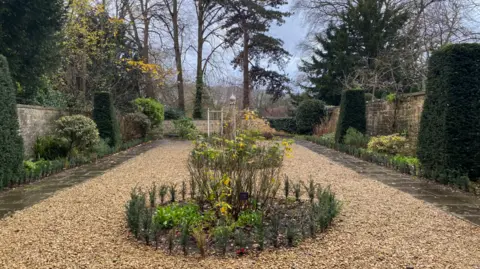
A spokesperson said that important items, such as the “hoggin gravel” and a Georgian-style bench, are gradually disappearing.

 John Wimperis
The garden was discovered under a layer of clay with its original layout intact during archaeological excavations in 1985, and was later recreated to its original plan of 1770.
However, maintenance on the empty townhouse is costly to the council.
The authority spent £18,600 last year and is projected to fork out another £6,500 this year.
The four trustees will be chosen by the council’s political groups in line with the council’s political balance and are likely to be councillors although they do not have to be.
 John Wimperis
Number 4 the Circus was recently featured in the BBC programme Empire with David Olusoga, where the historian revealed how money from the British Empire funded much of the city’s wealth.
In 1768, the Grade I listed building was owned by James Plunkett, whose family made their fortune owning enslaved people and plantations in Jamaica.
By the 1960s, the home was owned by Bath couple Charles and Frances Cooke, who decided that it should be preserved as a Georgian house and exhibited to the public.
The house itself is only open one day a year during the council’s heritage open days.