An application to burn more types of waste at a planned incinerator poses “unacceptable risks to public health”, a council has said.
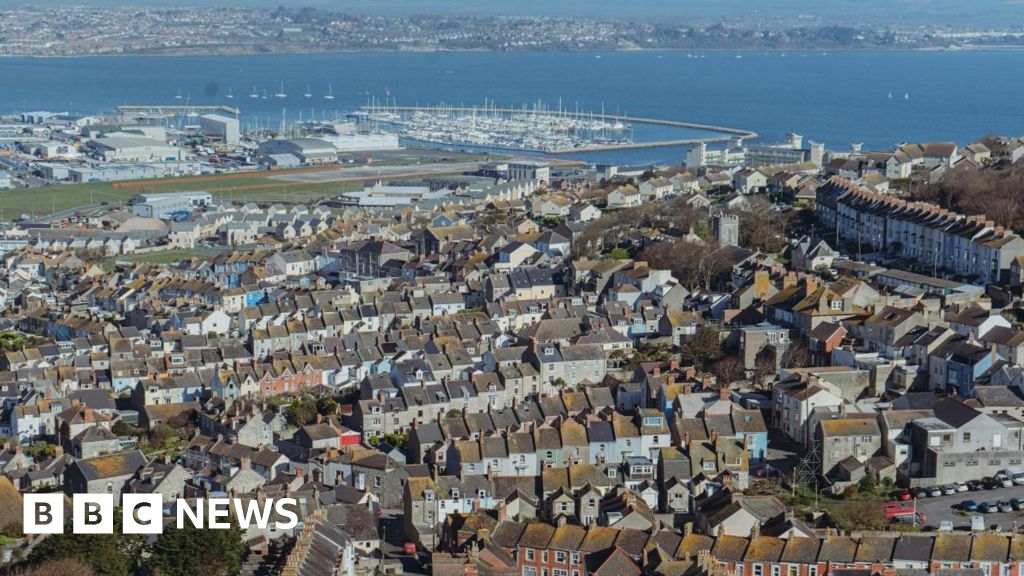
Powerfuel Portland has permission to build an energy recovery facility at Portland Port, burning refuse-derived fuel (RDF) from domestic, commercial and industrial non-hazardous waste.
A bid to vary its environmental permit to include dozens more waste types has attracted hundreds of objections – including from Dorset Council – about pollution, smells, traffic and vermin.
Powerfuel Portland said the changes were a “minor technical variation” and would “not result in an increased risk to the environment”.
The facility’s environmental permit was approved on 26 February but a further application to add 68 extra waste categories was submitted on 5 June, triggering a new six-week consultation.
The list includes agrochemical waste, waste from sewage cleaning, bulky waste and demolition waste – including excavated soil from contaminated sites.
Dorset Council detailed “significant concerns” and said the application “should be rejected”.
Council leader Nick Ireland said: “The addition of such a range of other waste types will alter the profile of the waste, the incineration process, combustion gases and bottom ash.
“The transport of additional waste types to the site are likely to result in additional HGV movements.
“The storage of such wastes on the site will lead to additional odour and nuisance.”
He added: “The whole process associated with the decision-making of the incinerator has felt arbitrary and totally out of kilter with community needs.”
A Powerfuel Portland spokesperson said: “We note that the Environment Agency, not Dorset Council, is the appropriate authority that has the technical expertise for determination of matters including public health, odour and waste profile.
“The volume of HGV movements will remain within the planning permission that was granted by the Secretary of State and the proposed minor amendment will not impact this.”
Permission for the incinerator was rejected by Dorset Council in 2023 but the decision was overturned by the government in 2024 following an appeal.
A legal challenge by campaigners was dismissed by the Court of Appeal in November.