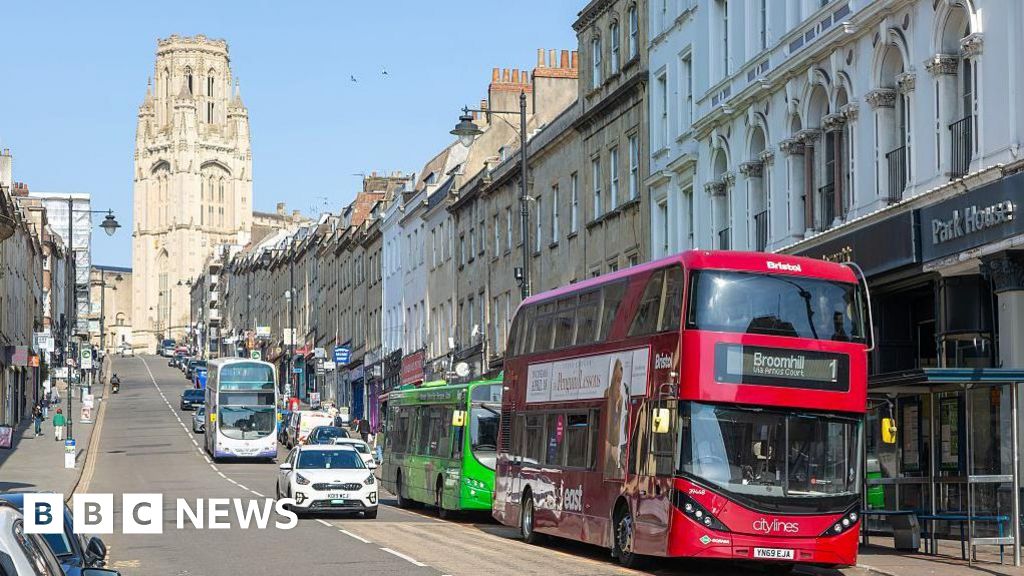
Hundreds of millions of pounds of government funding is to be spent on supporting bus services in the South and West of England.
The Department for Transport (DfT) said the money, to be rolled out between 2026 and 2029, would help local travel become more reliable.
Councils across the two regions will get a combined £139m in funding to help improve both the bus services themselves, as well as network infrastructure.
Transport Secretary Heidi Alexander said a total of £3bn of funding being spent across the UK would “give local authorities the long-term funding they need to deliver lower fares, more frequent services, and the reliable transport that communities depend on”.
The three-year funding commitment is designed to give councils the certainty to create longer-term plans around bus travel, rather than running on a year-by-year basis.
Earlier this year, it was claimed bus services in rural parts of the West were facing regular decline.
Councils in the West will receive the following funding over the next three years:
- North Somerset Council, £9.1m
- Somerset County Council, £13.1m
- West of England Combined Mayoral Authority (Weca), £42.4m
- Wiltshire Council, £12.6m
- Gloucestershire County Council, £14.5m
Weca mayor Helen Godwin said the funding was “another vote of confidence in the new chapter we’ve started in the West”, pointing to government-funded schemes like Kids Go Free as an example of where the money could be used.
The scheme, which saw children in the Weca area get free bus travel over the summer holidays, has been extended to run over the coming festive break.
“Empowered by this three-year settlement, we’ll continue working together with local councils on a bus network that works,” Ms Godwin added.
Among the announced funding is £6.8m for Dorset, £24.8m for Hampshire and £15.4m for Oxfordshire.
There have been protests over plans to cut services in parts of Hampshire.
In Dorset, some locals in the west of the county were given a reprieve when proposed bus cuts were reversed.
Minister for roads and buses, Simon Lightwood, said passengers had spend too long being “let down by unreliable services, sub-standard bus stations and over a decade of routes being cut”.