Kirk EnglandSouth West environment and tourism correspondent
 BBC
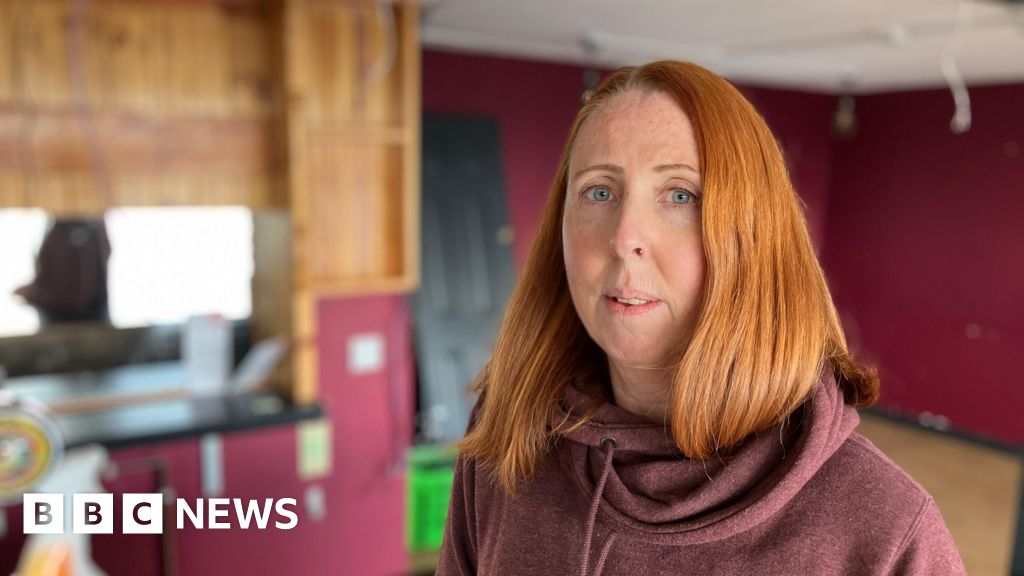
BBCKelly Broderick wipes away tears as she cleans her restaurant ahead of handing the keys back to the landlord.
After eight years, the woman from Newquay says “insurmountable” increases in costs – from wages to the price of cooking oil – have led to her to make the “heartbreaking” decision.
It comes as Cornwall Chamber of Commerce also warns businesses have “nothing left to give” ahead of the Budget on Wednesday.
The government said “pubs, restaurants and cafes are vital to local communities” adding it was cutting the cost of licensing and lowering their business rates.

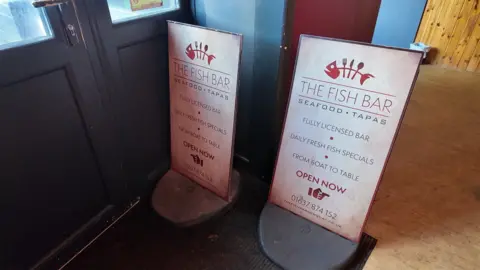
Miss Broderick said she had taken on personal debt to try and keep her business afloat but added she “can’t face the rising costs anymore”.
“Wages, National Insurance contributions, product costs, utilities, insurance – everything costs so much more than it used to,” she said.
About 80 meals per evening were served at The Fish Bar, Miss Broderick’s seafood and tapas restaurant, during the busy summer months.
The business had two full-time employees, an apprentice and about 15 part-time members of staff.
“You put your heart and soul into building your dream but everything is against you,” she said.
She added that customers were not “coming out as often or spending as much as they did”.
‘Nothing to give’
“Don’t come back and ask businesses for more because there is nothing left to give”.
That is the message from John Brown of the Cornwall Chamber of Commerce to Chancellor Rachel Reeves.
Speaking at a meeting of the Cornwall Hospitality Collective, Mr Brown said the government needed to do more to “incentivise businesses to grow and hire more people”, adding the measures announced in the last Budget “had not made things any easier”.
The government said it did not comment on speculation around changes to tax outside of fiscal events.
Simon Mahon, CEO of the Watergate Bay Hotel, said he wanted some good news from the chancellor.
“I’m hoping for a cut in business rates for those in hospitality, and tax relief for businesses that are investing,” he said.
Mr Mahon added he would also like to see a review of the impact of the increase in employers’ National Insurance contributions, which he said had had a “punitive” impact on hospitality and led to jobs being lost.
A government spokesperson said: “Pubs, restaurants and cafes are vital to local communities, that’s why we’re cutting the cost of licensing, lowering their business rates and helping more hospitality businesses offer pavement drinks and al fresco dining, on top of cutting alcohol duty on draught pints and capping corporation tax.”
It also said 43% of employers (865,000) would pay no employer National Insurance contributions this year and that it was supporting businesses with expert advice to cut energy bills and emissions.
Back at The Fish Bar in Newquay, Kelly Broderick said closing the business would will also be a “relief after all the stress”.
She said: “You try and make something successful and it’s not viable, that’s what really hurts.”