
 BBC
BBCAmid a flurry of headlines about rising flu cases this winter it is not surprising that some parents or carers might think twice before sending their child to school if they have a cough or a cold.
NHS GP and broadcaster Dr Radha Modgil said since the Covid-19 pandemic parents have been more cautious around when to send their children into school.
“It can be really confusing – in terms of symptoms, when to [send], when not to”, she said.
“With a common cold, if your child is generally well, if they’ve got a runny nose and they haven’t got a high temperature [38 degrees Celsius and above] then they’re usually well enough to go into school,” said Dr Modgil.
The NHS said there had been more than 50,000 visits to its “Is my child too ill for school?” webpage in six weeks.
Data from the Department for Education reveals the impact the pandemic has had on school attendance figures.
Plymouth saw a 47% rise in state school absences through illness between 2018/9 and 2023/24. In Torbay the figure was 50%.
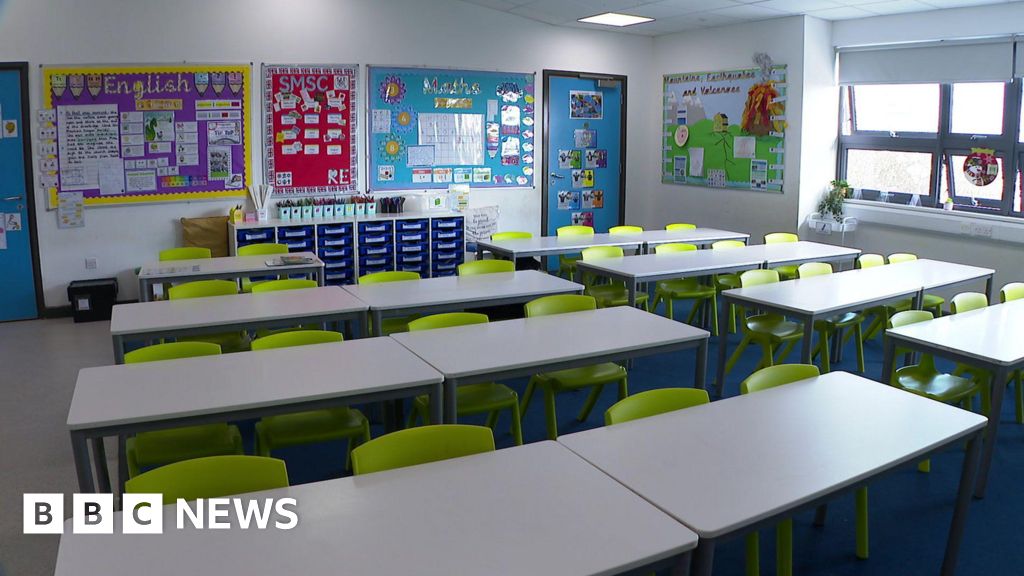
But Marine Academy Primary School in Plymouth has managed to buck that trend, with pupil attendance figures above the national average.
“It’s a really long process and it isn’t something that happens overnight,” said head teacher Georgina Reid.
She said a lot of children had grown up in a time during Covid where they were encouraged to stay home.
“Now what we’re seeing is some of those children have less resilience to those colds, flus and viruses,” said Ms Reid.
“So (for parents) it’s really trusting the school that we can look after their child and administer medication if that’s needed, and call the family if there’s a problem.”
Dr Modgil said there was so much more to schools than academic achievement.
“There’s building confidence, self-esteem, playing with friends… there’s learning lots of life skills that will serve your child into adult life”, she said.
“If your child is well enough to go to school then it’s really great to try to get them there to give them all those benefits”, said Dr Mogdil.